
Stem Cell Therapy for Knee Pain Miami, FL
Knee pain has a way of changing how you move through an ordinary day — taking the stairs, going for a walk, or even standing up from a chair can become something you think twice about. At Vitality HC Regenerative Cell, Regenerative Cell treatment is used as a non-surgical option for patients whose knee pain hasn’t responded well to rest, medication, or physical therapy alone. If you’re exploring Stem Cell Therapy in Miami more broadly, this page focuses specifically on how the approach applies to the knee, one of the most common joints we treat.
Dr. Claudia Lopez evaluates each knee individually before recommending treatment. Pain in this joint can stem from cartilage breakdown, ligament strain, meniscus damage, or general wear from years of use, and the right plan depends on which of these is driving your symptoms.

What Causes Chronic Knee Pain?
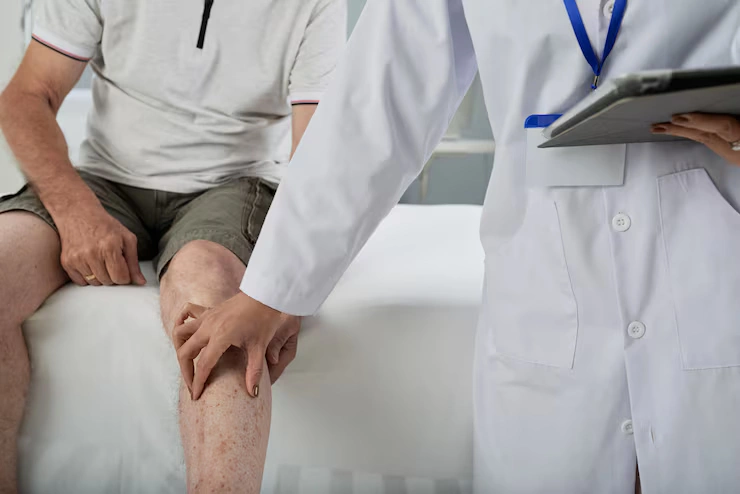
The knee absorbs more daily stress than almost any other joint in the body, which makes it especially prone to gradual wear. Osteoarthritis is one of the most frequent causes, as the cartilage that cushions the joint thins over time and bones begin to rub against one another. Old sports injuries, meniscus tears, and ligament damage can also leave lasting pain long after the original injury has technically “healed.” For some patients, the issue is a combination of factors rather than a single diagnosis, which is why imaging and a hands-on evaluation matter before any treatment plan is built.
How Stem Cell Therapy for Knees Works
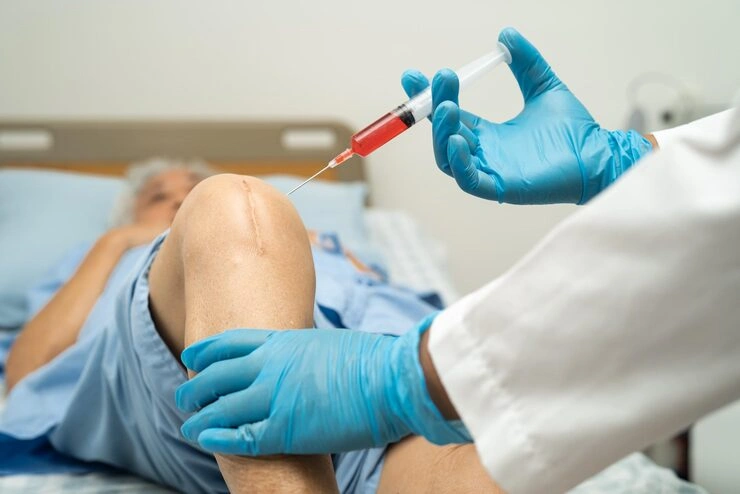
Stem cell therapy for knees is designed to introduce concentrated, cell-rich material directly into the joint, with the goal of supporting the body’s own repair response in an area where cartilage and tissue don’t regenerate easily on their own. Rather than simply numbing pain or reducing inflammation temporarily, this approach is intended to work with the joint’s underlying biology. Stem cells for knees are typically delivered through a targeted injection, often guided by ultrasound or other imaging to make sure the material reaches the exact area of damage rather than just the surrounding tissue.
What Does the Research Say?
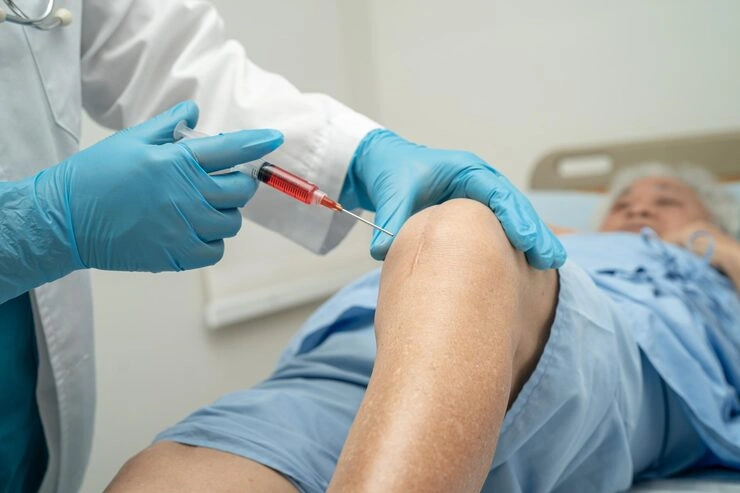
Clinical interest in this field has grown substantially over the past decade. A systematic review published in PMC examined outcomes across multiple studies on mesenchymal stem cell applications for early to moderate knee osteoarthritis and found generally favorable results for pain and function, while also noting that more standardized, large-scale trials are still needed to confirm long-term outcomes. We share this kind of research with patients directly so expectations are grounded in what’s been studied, not just what sounds promising in a brochure.
Stem Cell Injections for Knee Pain: What to Expect
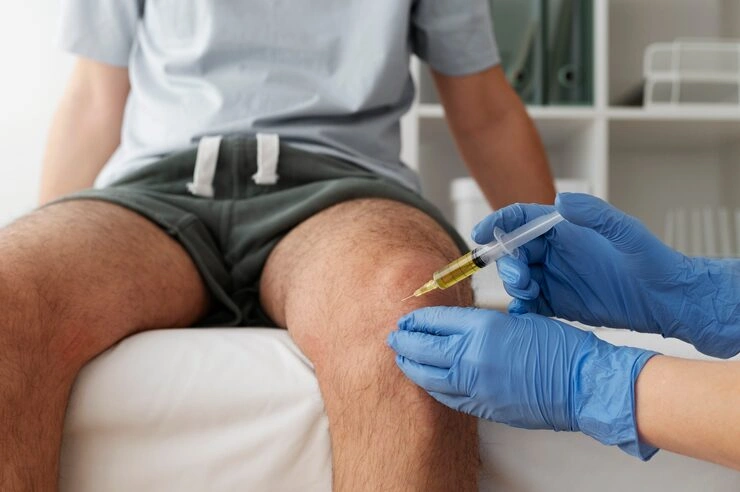
Stem cell injections for knee pain are typically performed in a single outpatient visit. After Dr. Lopez confirms you’re a suitable candidate, the regenerative material is prepared and injected directly into the joint space. Most patients describe the sensation as similar to a routine joint injection, and the appointment is usually completed within an hour. There’s no incision, no general anesthesia, and most people are able to drive themselves home and resume light daily activity shortly afterward.
Who Is a Candidate for Stem Cell Knee Therapy?
Not every case of knee pain is suited to regenerative treatment, which is why candidacy is assessed individually rather than assumed. Patients with mild to moderate osteoarthritis, certain soft-tissue injuries, or those hoping to delay or avoid knee replacement surgery are often the best fits for stem cell knee therapy. Patients with advanced bone-on-bone arthritis, active infections, or certain underlying health conditions may not be good candidates, and Dr. Lopez will be direct with you if that’s the case rather than recommending a treatment unlikely to help.
Recovery and Aftercare
Recovery after a knee injection is generally straightforward compared to surgical alternatives, but it still requires some patience. Mild soreness or swelling at the injection site for a day or two is common and typically resolves on its own. Most providers recommend easing back into activity gradually rather than returning to high-impact exercise right away, since giving the joint time to respond matters more than rushing the process. Light walking, stretching, and avoiding anti-inflammatory medications in the days following treatment are commonly advised, as these medications can interfere with the body’s healing response. Follow-up visits allow your provider to track how the knee is responding and adjust the plan if needed.
Why Patients Choose Vitality HC Regenerative Cell
Knee pain treatment isn’t one-size-fits-all, and that’s the philosophy behind how Dr. Claudia Lopez approaches every case at Vitality HC Regenerative Cell. Instead of pushing a single protocol on every patient, she takes time to explain what’s realistic for your specific knee, your activity level, and your long-term goals. Patients appreciate having a provider who’s transparent about what regenerative treatment can and can’t do, rather than one who oversells the results.
Frequently Asked Questions
Most patients describe mild discomfort similar to a standard joint injection. Local anesthesia is often used to minimize discomfort during the procedure itself.
This varies by patient and the underlying cause of knee pain. Some people experience relief that lasts well over a year, while others may need a follow-up treatment sooner.
For some patients with mild to moderate joint damage, regenerative treatment may help delay or reduce the need for surgery. It isn’t a guaranteed substitute for surgery in every case, and Dr. Lopez will let you know where you stand after an evaluation.
Most regenerative procedures are considered elective and are typically not covered by standard insurance plans. Our office can walk you through payment options during your visit.
Many patients notice gradual improvement over several weeks to a few months, though timelines vary based on the severity of the underlying condition.
If chronic knee pain has been limiting your daily life, the next step is a conversation, not a guess.